About Marla Palmer
Finding the Work I Was Meant to Do
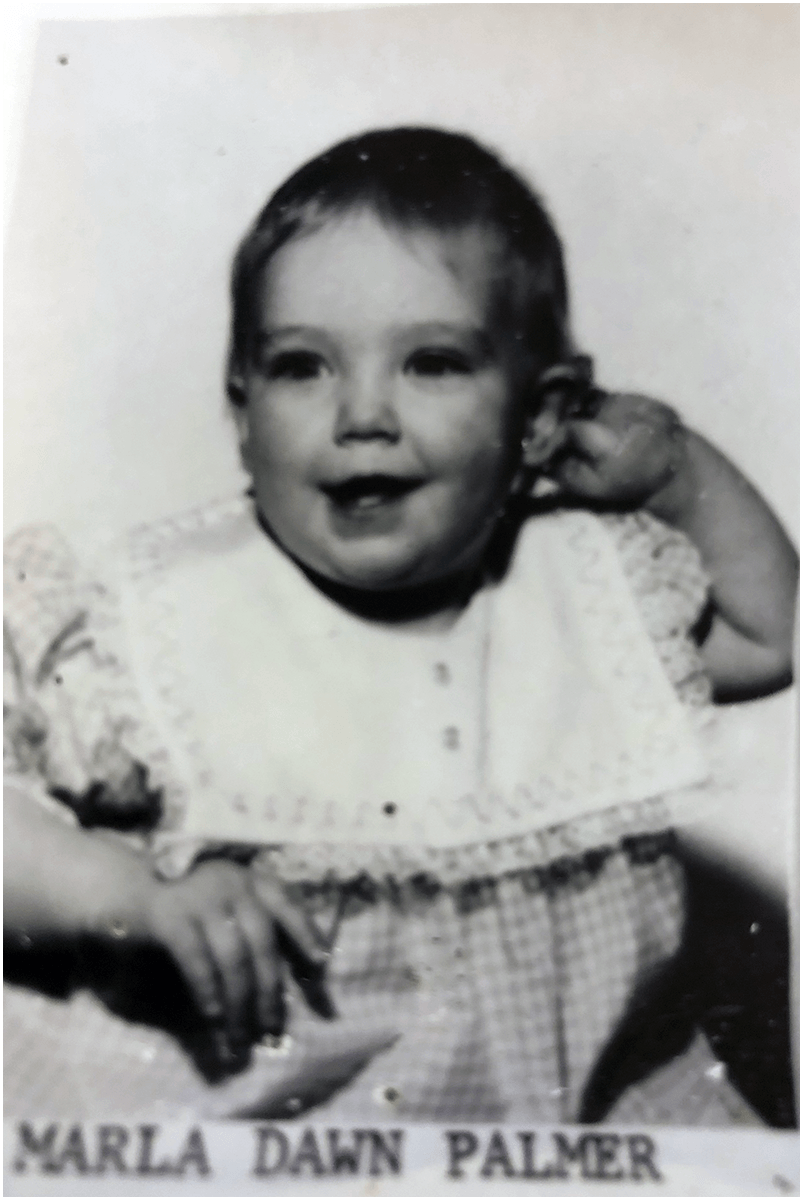
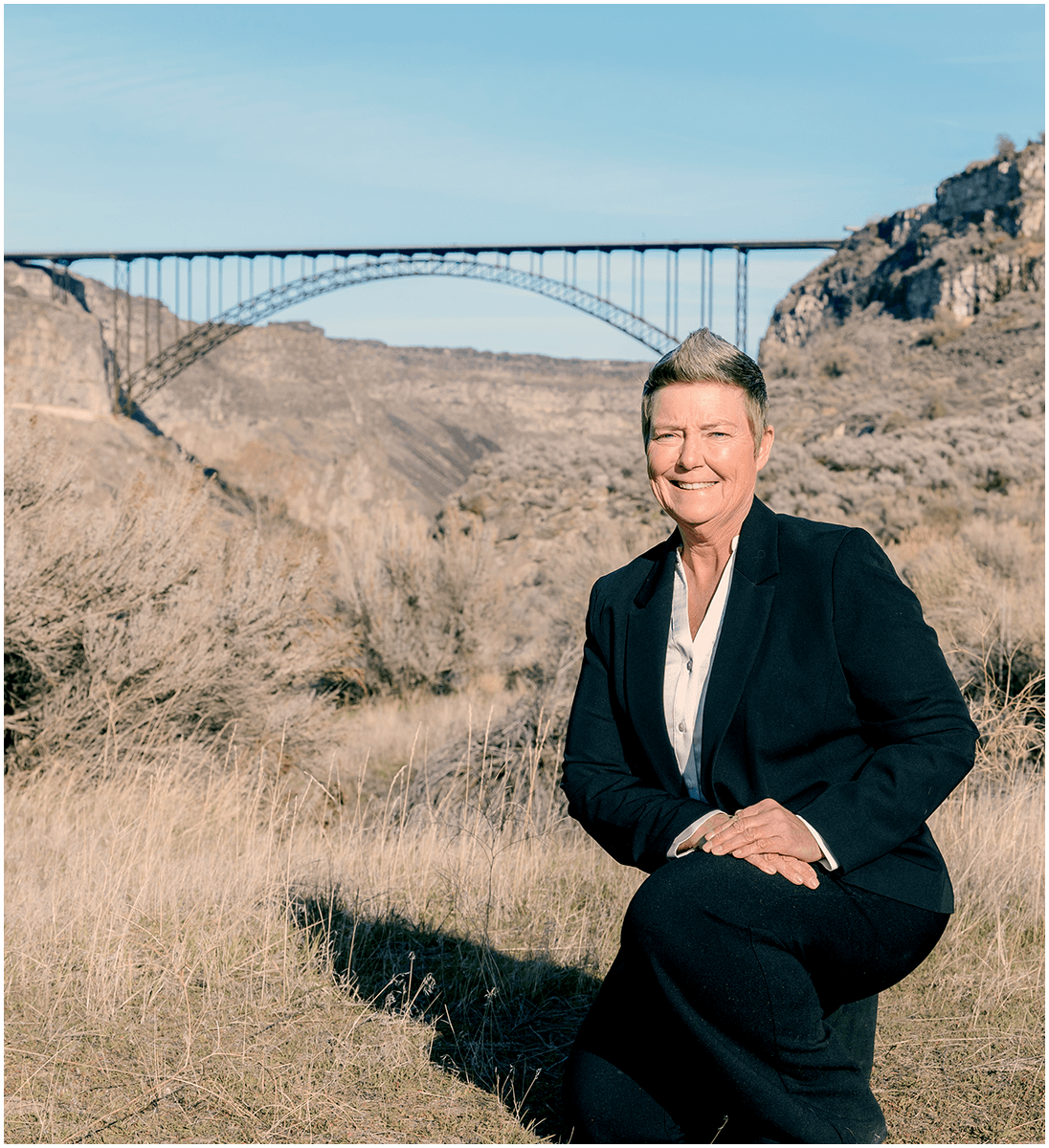
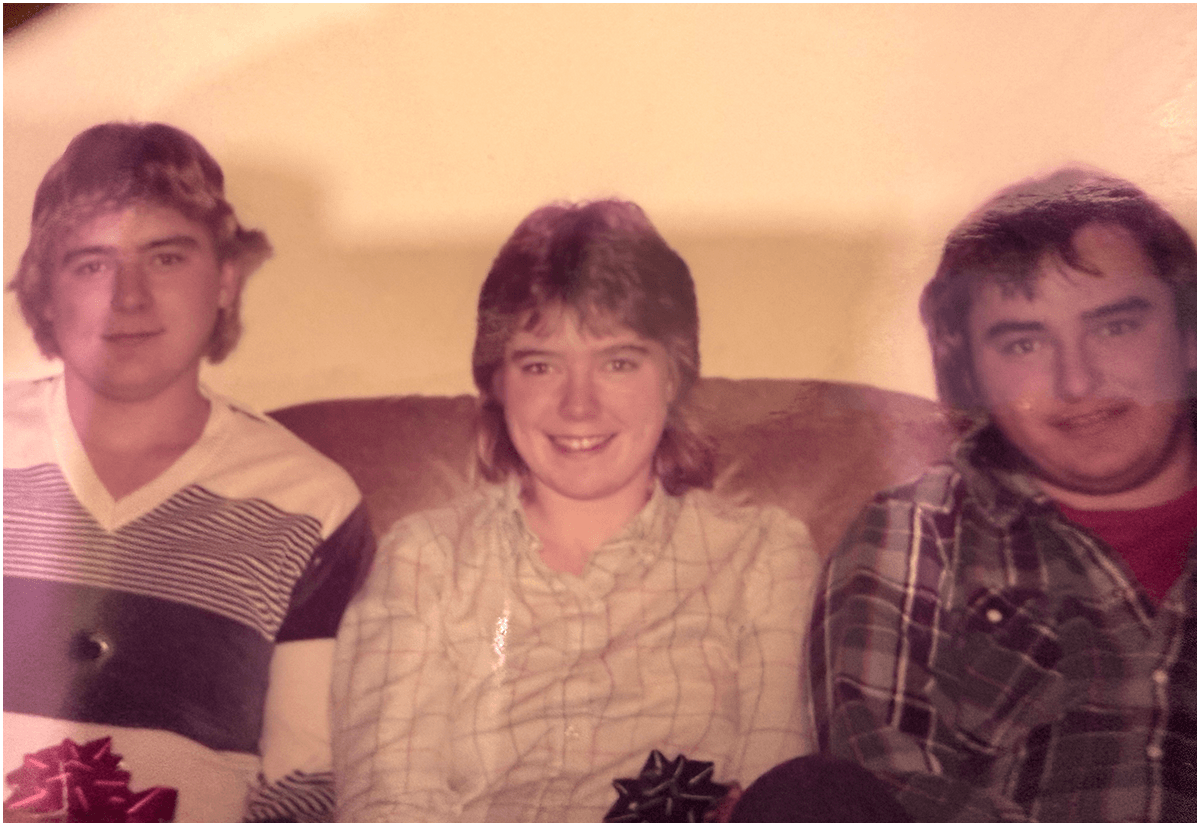
I grew up on a ranch in eastern Montana, the fourth generation of a ranching family. My brother still operates our family homestead today.
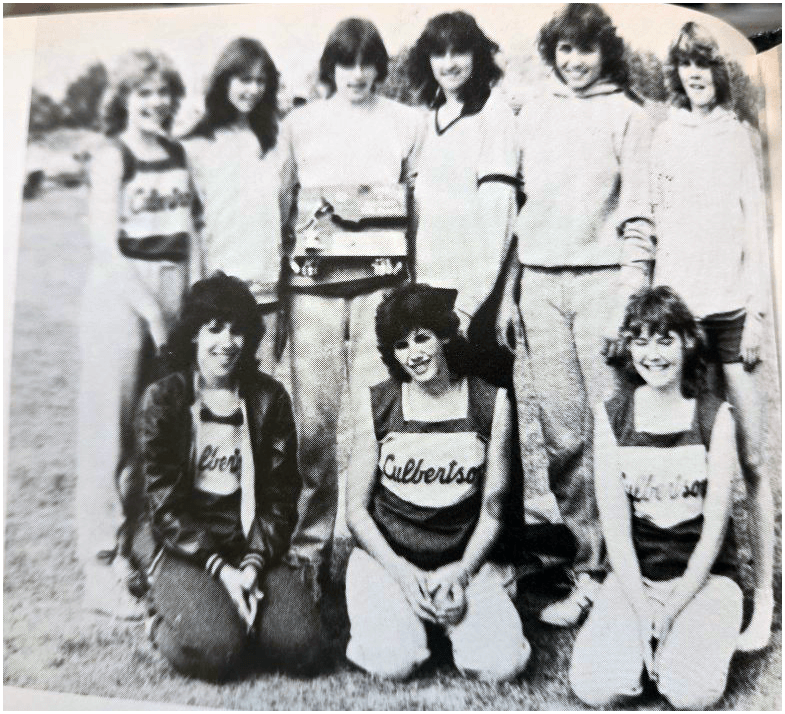
On a ranch, responsibility comes early. When I was 10 or 11, I was rescuing kittens from the farm and taking care of them. As a teenager, I spent one summer caring for six calves. I remember noticing that a neighbor boy was dumping feed instead of feeding the calves. I told my parents, and I was handsomely rewarded with a new job.
That was ranch life. If you saw something that needed to be done, you did it. If another living thing depended on you, you followed through.
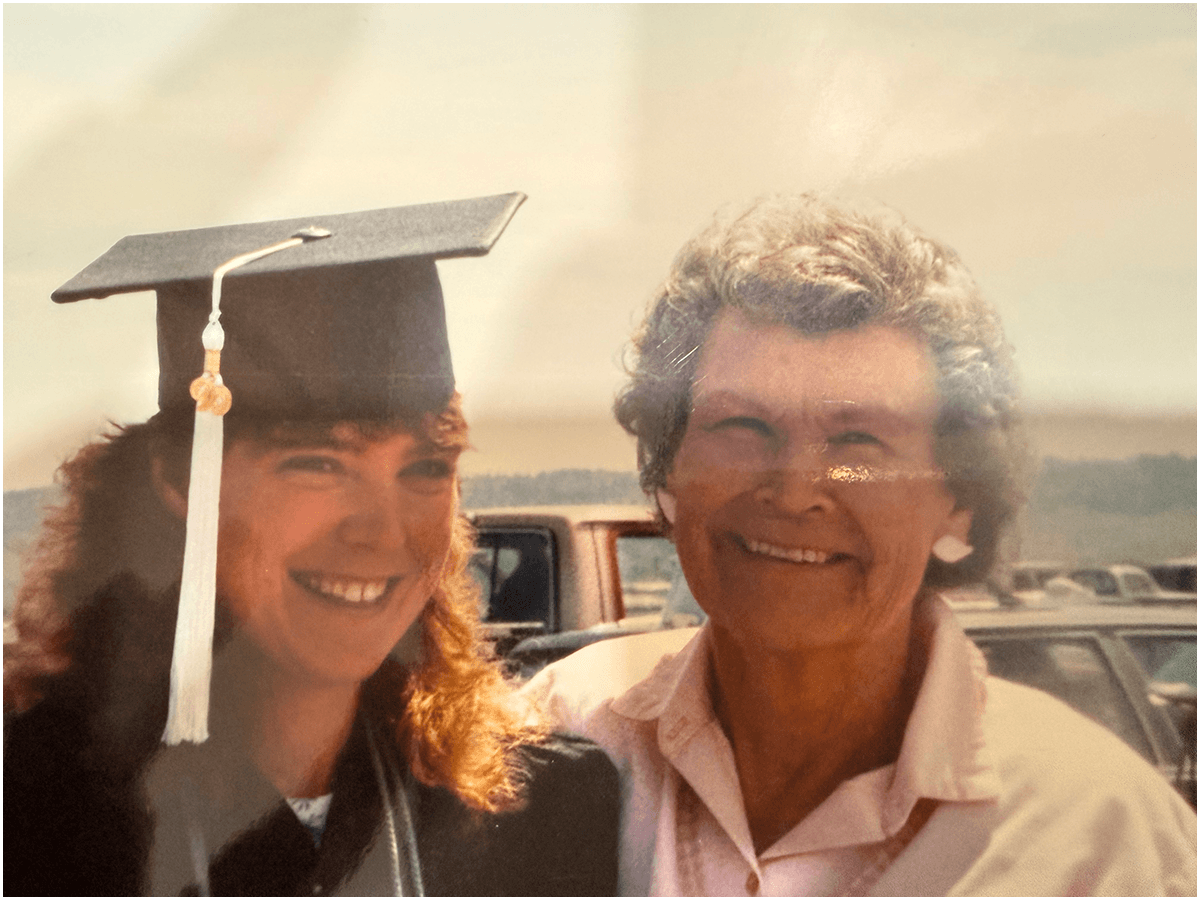
I carried that with me into college, where I earned a bachelor’s degree in psychology. I wanted to become a clinical psychologist, so I applied to the top graduate schools I could find.
I did not get into any of them.
That was not part of the plan. I had done the work. I had followed the path I thought I was supposed to follow. Then every door I expected to open stayed shut.
I needed a job, so I took the first one I was offered, working with people with disabilities.
I did not expect to love it.
But day by day, person by person, I found myself in work that mattered. I saw people learn skills they had been told they could not learn. I saw confidence grow. I saw how much dignity comes from being supported, respected, and included.
What started as the job I took because I needed employment became the career I loved. I found my purpose in helping people learn, grow, and build lives with more independence and more possibility.
That experience shaped the way I see public service. Sometimes life does not take you where you planned. Sometimes it takes you where you are needed.
Moving to Idaho and Seeing Community Work
I began my career in institutional care. At the time, many people with disabilities were still living in large facilities, separated from the rest of the community. Then deinstitutionalization began changing the way services were delivered, including in Montana.
The job I had was ending.
I had a choice to make. I could try to stay where I was and look for something familiar, or I could follow the work into a new model of care.
I chose to move to Idaho.
I came with a U-Haul, a small, dingy apartment, and a belief that people deserved the chance to live fuller lives in their own communities.
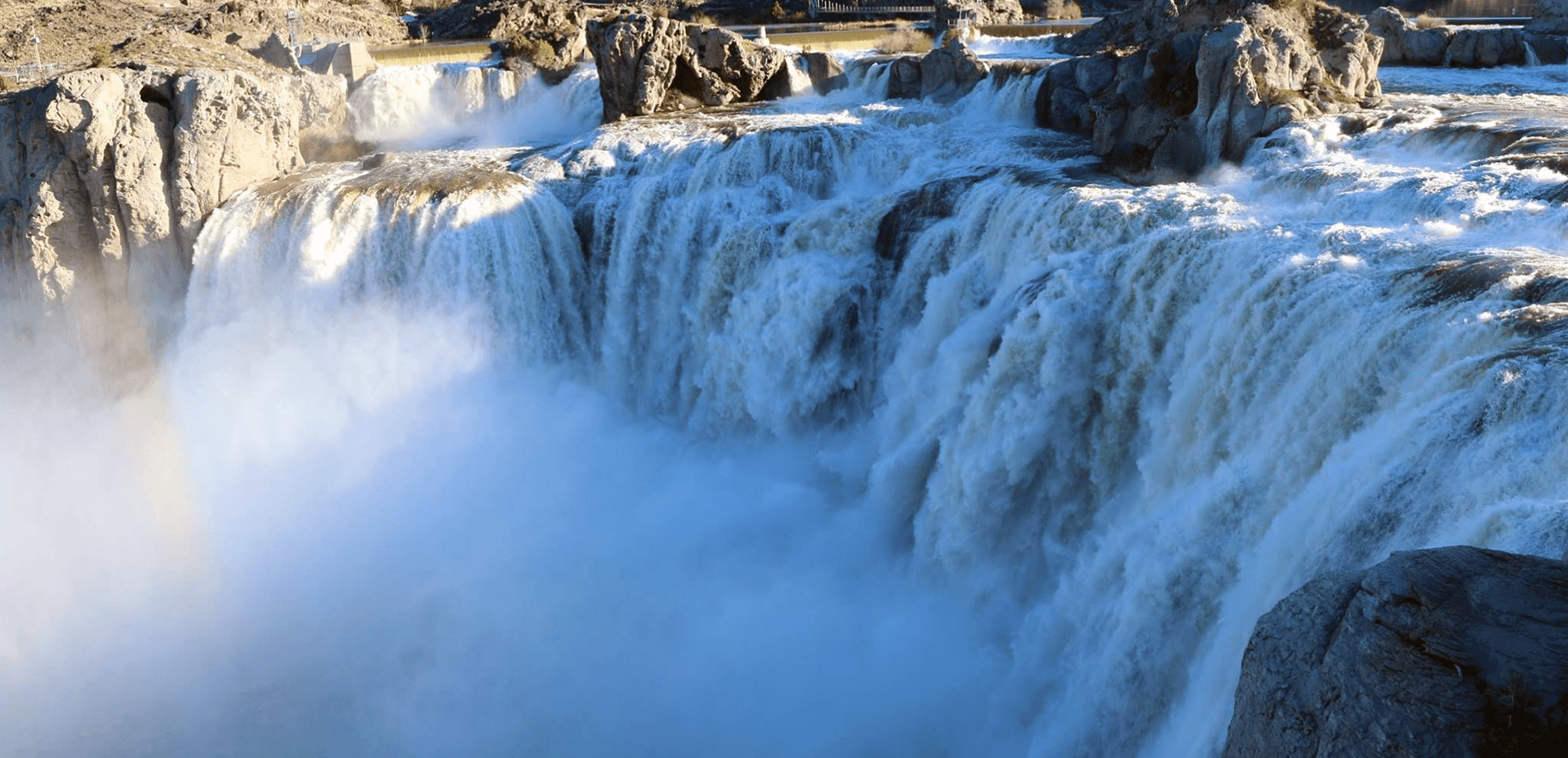
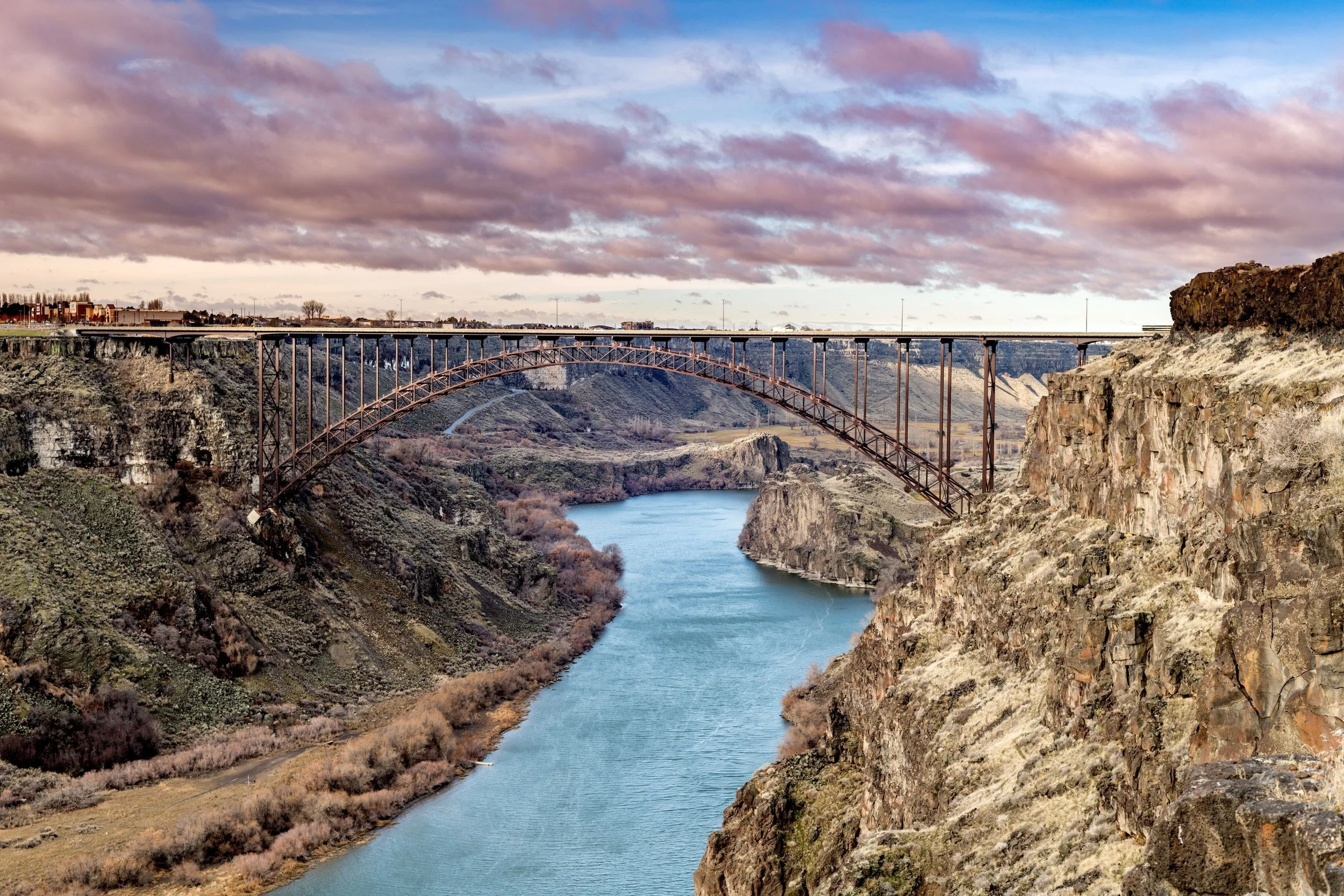
In Twin Falls, I helped build community-based disability services through a nonprofit agency. Instead of people spending their lives apart from everyone else, we supported them in homes, neighborhoods, workplaces, and everyday community settings.
I watched what happened when people were given real support instead of being written off. I saw people participate, contribute, and belong. I saw families breathe a little easier. I saw staff discover the value of work that was demanding, human, and meaningful.
And I found a home.
Twin Falls became more than the place I moved for a job. It became my community. It became the place where I built a life, raised my daughter, and learned firsthand how much stronger we are when people are not pushed aside.
That is one of the reasons I am running. I know what community-based support can do, because I have seen it change lives.
Building a Program While Raising My Daughter
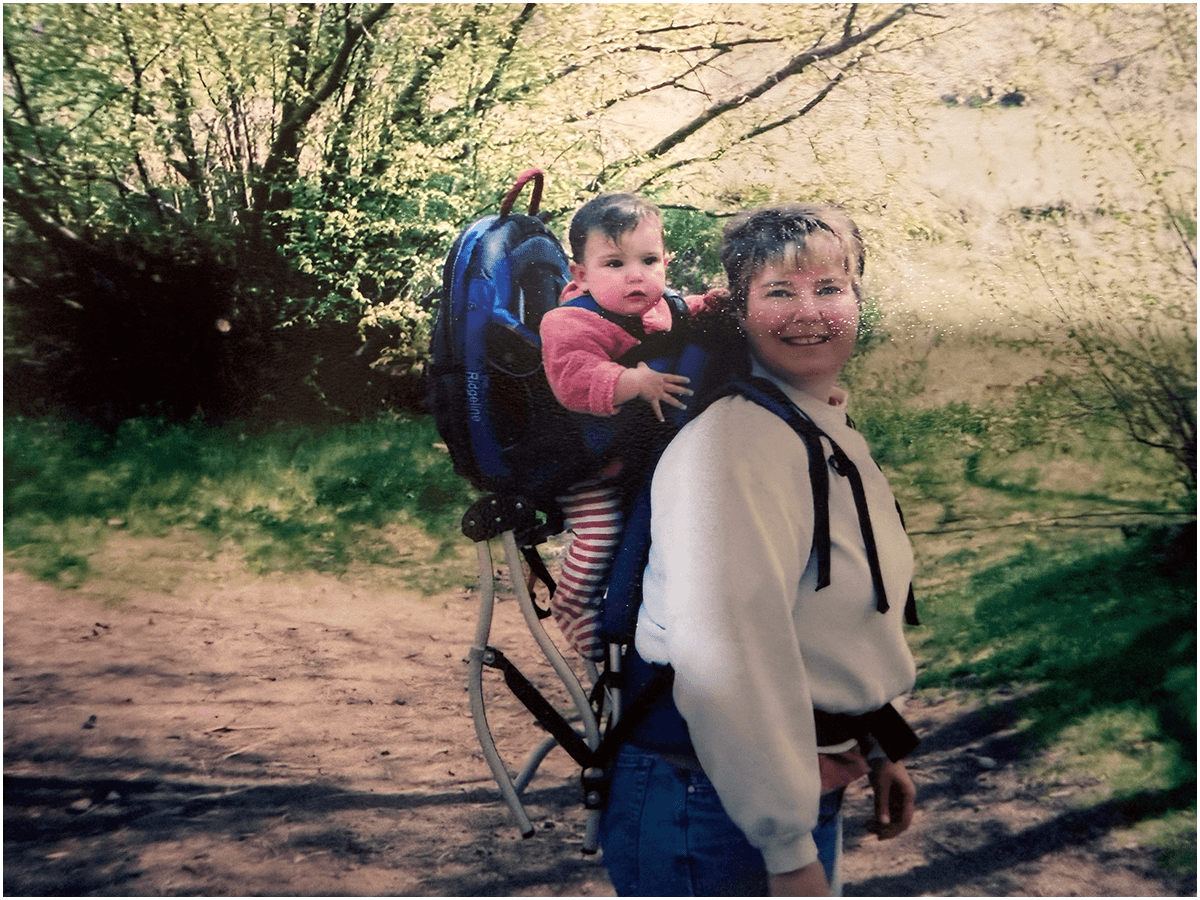
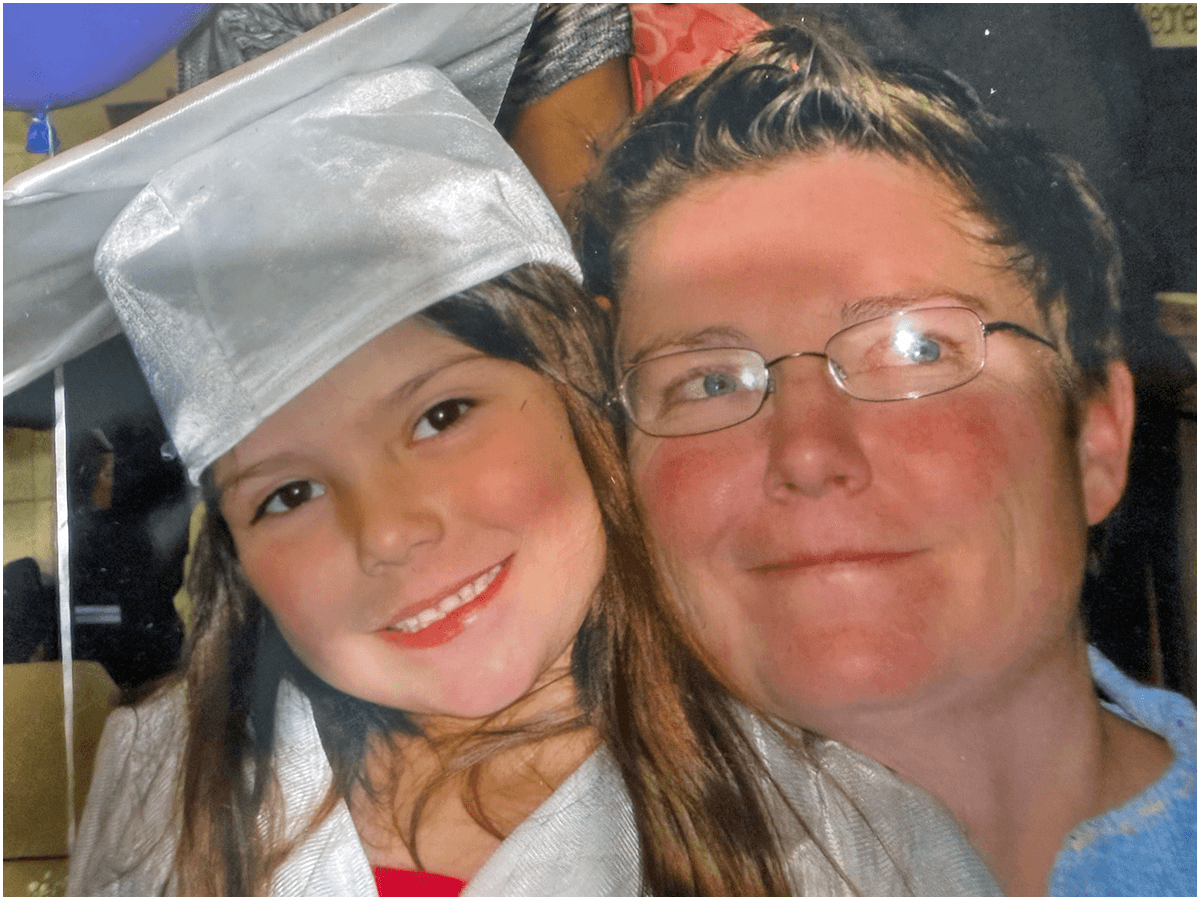
When I decided to become a mom, I knew I wanted to be present for my daughter. I also knew I wanted to keep doing meaningful work.
Those two things should not have been impossible to balance.
At the time, I asked whether I could bring my child with me while continuing my work. I was not simply told no. I was told, in no uncertain terms, absolutely not.
So I prepared to leave.
When I told the families of the people I served that I was leaving, they spoke up. They knew the work mattered. They knew consistency mattered. They knew the people we supported needed someone who understood them and would follow through.
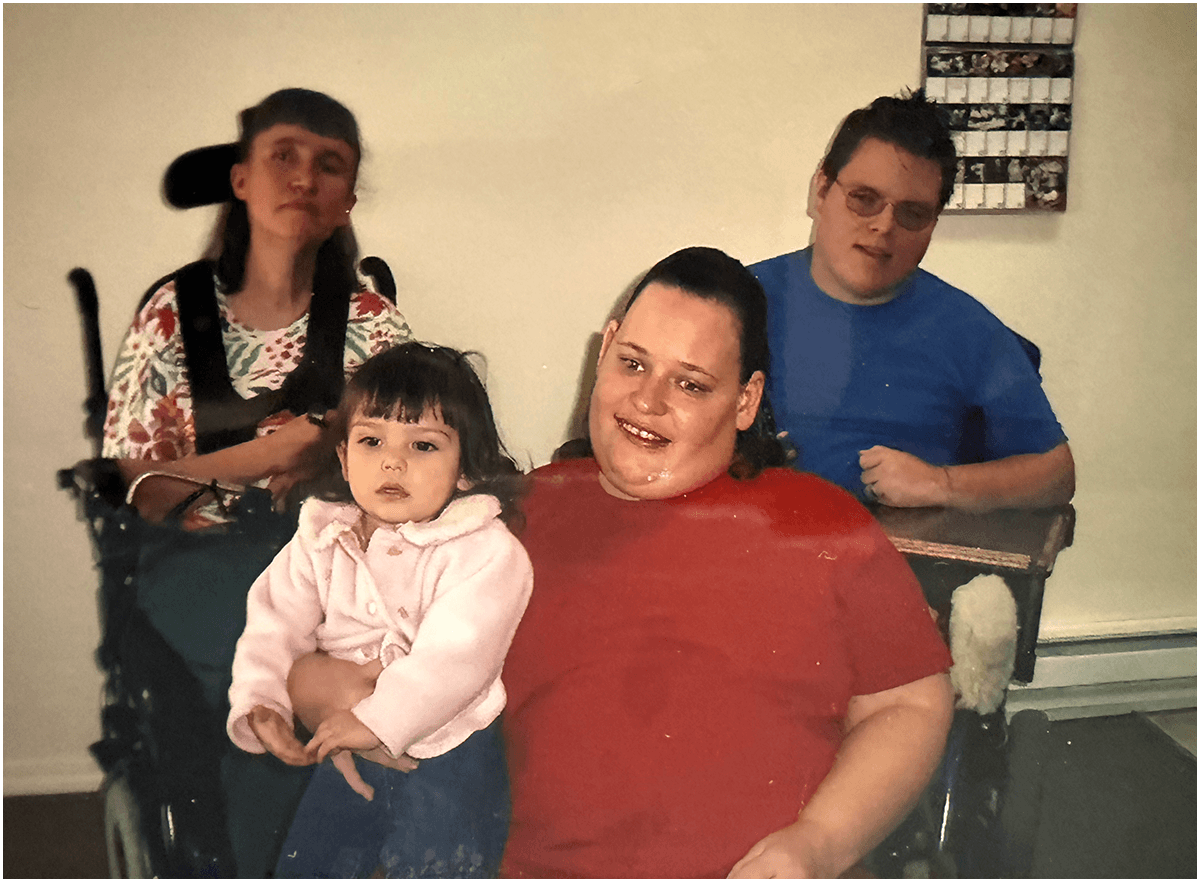
Then one of the families came to me with an offer: help develop a program under their umbrella that would support individuals 24 hours a day to live in their own homes, while allowing me to work primarily from home and raise my daughter.
I said yes.
The days were long. I was parenting, answering calls, solving problems, building systems, supporting staff, and making sure people had what they needed to live safely and with dignity. There were hard days. There were tired days. There were days when the balance felt almost impossible.
But there was also deep satisfaction.
I got to be the kind of mother I wanted to be, while doing work that mattered to people and families in my community. I learned that families need flexibility, not judgment. Workers need support, not empty slogans. And good services do not happen by accident. They happen because people build them, protect them, and make sure they are funded and staffed.
That experience is part of what I bring to this race. I know what working families are carrying, because I have carried it too.
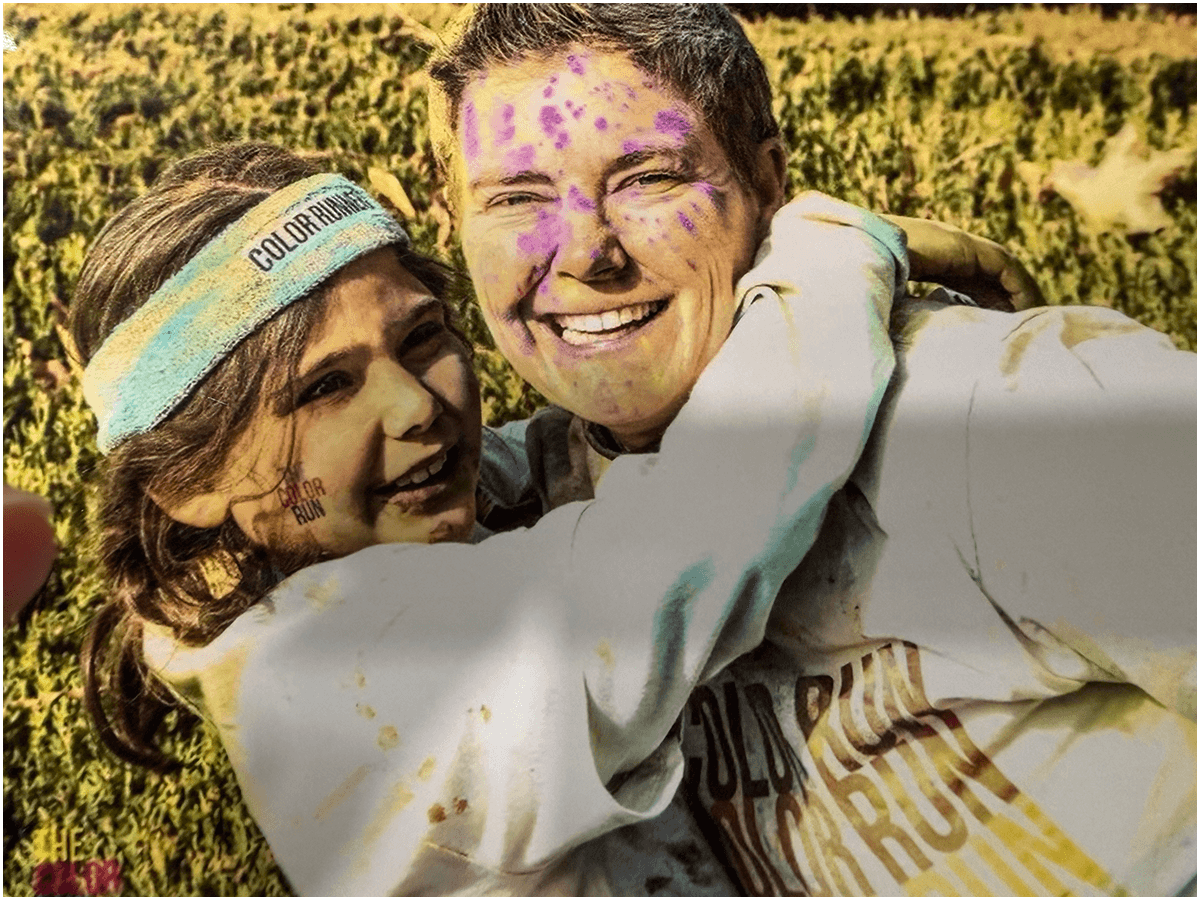
Why I Am Running
For years, I have advocated for funding and support for services that vulnerable Idahoans rely on.
I called legislators. I emailed legislators. I tried to meet with them in person.
Too often, I did not get answers. Sometimes I did not even get a response.
Meanwhile, the decisions kept being made. Decisions about services. Decisions about families. Decisions about people who may not have lobbyists, money, or political power, but whose lives are directly affected by what happens in the Legislature.
After enough unanswered calls and ignored emails, I had to ask myself a simple question: what do you do when the people making the decisions will not listen?
My answer was to run.
I am running for the Idaho House because Twin Falls deserves representation that listens, responds, and understands how policy affects real people. I want an Idaho where my daughter wants to stay, grow, thrive, and build a life. I want us to focus on the basics that help families succeed: housing people can afford, strong public schools, safe roads, dependable services, and communities where people can live and let live.
I grew up with a healthy respect for agriculture, hard work, and responsibility. I learned early that when something needs to be done, you do it. When people are depending on you, you show up. And when the job matters, you follow through.
That is the Idaho I believe in.
And that is the kind of representative I intend to be.